

美國戰爭部(原國防部)負責規劃政策的次長柯伯吉(Elbridge Colby)日前展開東南亞之行,預計訪問菲律賓、印亞、泰國和柬埔寨。柯伯吉10日在馬尼拉Stratbase研究所演說時強調,「美國絕不會脫離亞洲——恰恰相反。我們的重大利益決定了我們必須在此保持長期存在」、「我們不會離開;事實上,我們正在此深耕佈局,以確保在最關鍵之處維持有利的權力平衡」。
《南華早報》指出,由於下個月習近平即將訪問美國,柯伯吉在演說中並未直接點名中國,也沒有提及涉及中菲主權爭議的斯卡伯勒淺灘(中稱「黃岩島」)。華府智庫德國馬歇爾基金會的葛來儀(Bonnie Glaser)表示:「距離川習會還有六週時間,柯伯吉可能認為最好避免對中國發表評論,以免破壞兩國領導人在釜山和北京達成的脆弱穩定。」
葛來儀還說,柯伯吉一直想要訪問北京,這也是一個可能的考慮因素,但「嚴厲批評中國會激怒北京;溫和的批評則會讓馬尼拉不高興」。不過哈德遜研究所的森安健(Ken Moriyasu)也說,雖然柯伯吉沒有直接提到中國,但他所談論的所有內容「幾乎都與中國有關」,他也直言「美國若在川習會前對北京擺出戰略軟化的態勢,將是一個錯誤的決定」。
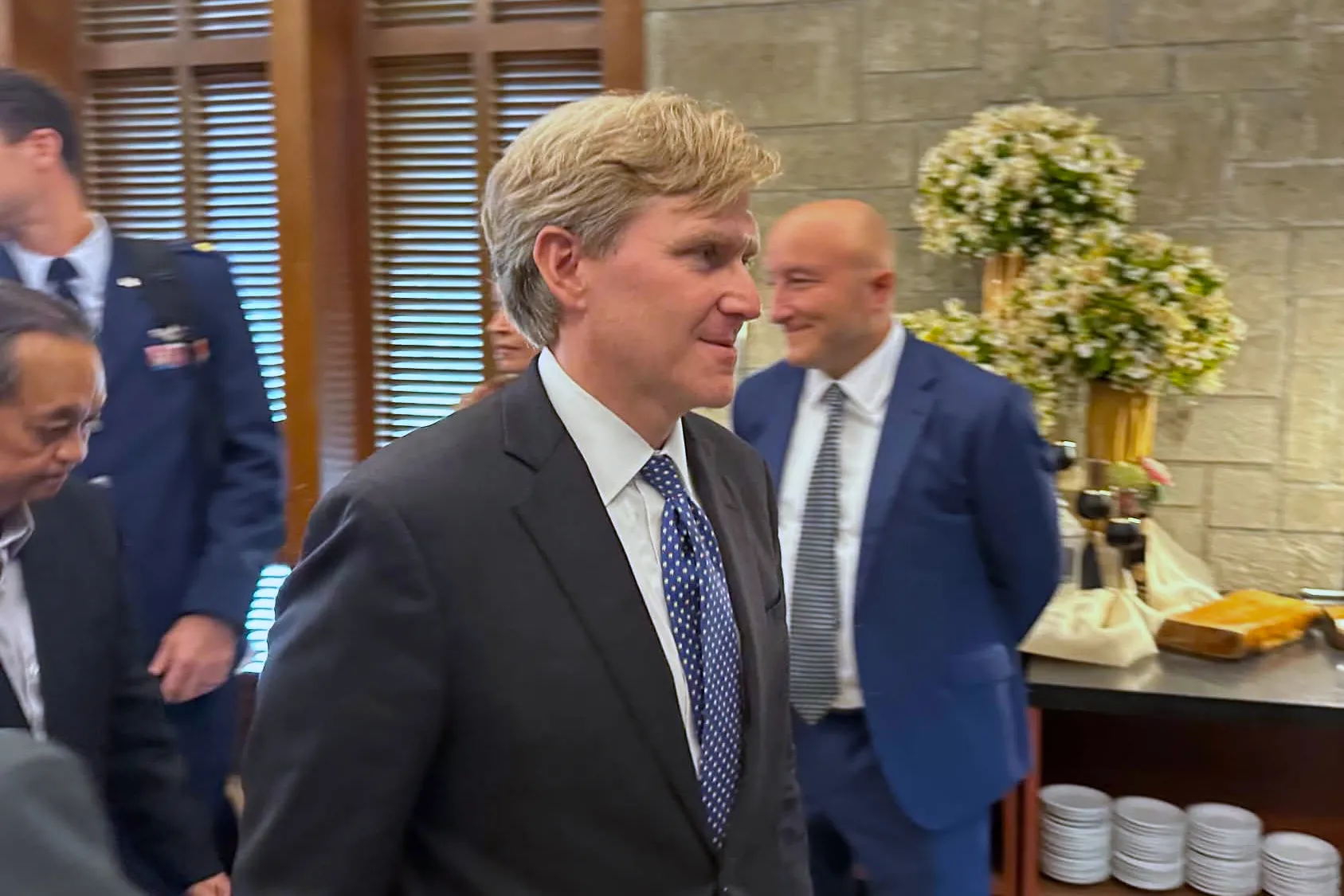
根據戰爭部發布的新聞稿,柯伯吉的演說全文如下:
Thank you for that generous introduction.
感謝您剛才隆重的介紹。
This is my first official trip to Southeast Asia as Under Secretary of War for Policy. Starting here in Manila is deeply fitting. The Philippines is our oldest mutual defense treaty ally in Asia, and we share a deep and abiding historical connection in addition to our profound alignment of strategic interest.
這是我就任戰爭部政策次長後,首次正式出訪東南亞。首站選在馬尼拉別具意義。菲律賓是我們在亞洲最資深的共同防禦條約盟友,雙方除了在戰略利益上高度一致,更擁有深厚的歷史淵源。 (相關報導: 「我根本沒想過要停下來!」為何美軍堅持投下第二枚原子彈,物理學家揭露長崎原爆內幕 | 更多文章 )
From Manila, I will be traveling onward to Jakarta, Bangkok, and Phnom Penh. As in Manila, I intend to deliver a clear message that is at once both realistic and perhaps bracing but also reassuring: That America's interests are more engaged than ever in the Indo-Pacific, and that we at the Department of War are concentrated on ensuring those interests are stoutly defended. This means a strong and growing U.S. investment in the region. But it is also coupled with a newfound but common sense expectation of much greater effort and contribution by our allies and partners. Not in a hectoring or unbalanced way. To the contrary, in a spirit of partnership, not dependency; of realism, not idle cloud-castle abstraction; of respect, not patronization.
離開馬尼拉後,我將接著訪問雅加達、曼谷與金邊。正如我在馬尼拉所做的,我準備傳遞一個清晰的訊息,這份現實的訊息雖然可能帶有警示意味,但同時也令人感到寬慰:美國在印太地區的利益連結比以往更加深厚,戰爭部正全力捍衛這些利益。這代表美國將持續加大對此區域的投入,與此同時,我們也抱持一個符合常識的全新期待,即盟友與夥伴應展現更大的努力、做出更多貢獻。這並非出於威逼或失衡的考量,恰恰相反,這是基於夥伴關係而非依賴、基於現實主義而非虛幻的空中樓閣,並且是基於尊重而非屈尊俯就的態度。
Our approach, as laid out in the Administration's National Security Strategy and National Defense Strategy and set out eloquently by Secretary Hegseth in his Shangri-La speeches this year and last, is straightforward. Our legacy foreign policy of the post-Cold War period was fundamentally out of date and ill-advised.
我們的方針非常明確,這已詳載於政府的《國家安全戰略》與《國家防衛戰略》中,赫格塞斯部長在今明兩年的香格里拉對話演說中對此也做了精闢的論述。我們認為,冷戰後時期的傳統外交政策基本已經過時,也不是明智之舉。
In the years following the collapse of the Soviet Union, American strategy was characterized by high-flown abstractions and comfortable illusions of permanent unipolarity. Washington's strategic approach became unmoored from the concrete realities of power, geography, economics, and limits. Our foreign policy became detached from clear-headed strategic rationality, and the results were demonstrably poor.
在蘇聯解體後的數十年間,美國戰略的特點在於空洞高遠的抽象概念,以及對永久單極體系的安逸幻想。華府的戰略方針逐漸脫離了權力、地理、經濟與資源限制等具體現實。我們的外交政策不再具備清醒的戰略理性,最終的結果顯然極其蒼白。 (相關報導: 「我根本沒想過要停下來!」為何美軍堅持投下第二枚原子彈,物理學家揭露長崎原爆內幕 | 更多文章 )
President Trump has reversed that failed course. Under Secretary Hegseth's leadership at the Pentagon, we are carrying out the President's agenda to restore American strength, put Americans' concrete interests first, and do so in a way that updates our relationships around the world and puts them on a much sounder footing. As we see it, President Trump's approach to foreign policy is one of common sense. Accordingly, he is recalibrating America's foreign policy to serve the practical, concrete interests of regular Americans, with significant implications from defense to trade to counternarcotics to migration.
川普總統扭轉了過去失敗的路線。在戰爭部長赫格塞斯的領導下,我們正貫徹總統的政綱,致力於恢復美國的實力,並將美國民眾的實質利益置於第一位;同時,我們也重新調整與全球各國的關係,使其建立在更穩固的基礎上。在我們看來,川普總統的外交政策方針體現了常識原則。因此,他正重新校準美國的外交政策,服務一般美國大眾的實際利益,這將對國防、貿易、禁毒及移民等領域產生深遠影響。
To be clear, this is not some dramatic abandonment of America's historic foreign policy. Actually quite to the contrary: It is a return to the best tradition of America's foreign policy — of a hard-nosed, clear-eyed republican realism that puts our people's concrete interests first, but in ways that also align with the interests of many other countries. It is not isolation, but rather a business-like recalibration, a model of collaborative self-interest — enlightened self-interest, yes, but very much practical and pragmatic rather than ideological or rigid.
坦白說,這並非對美國歷來外交政策的某種劇烈背離。事實正好相反:這是回歸美國外交政策最優良的傳統——一種強硬且清醒的共和現實主義。這種立場將美國人民的具體利益放在首位,但同時也兼顧其他國家的利益。這並非孤立主義,而是一種務實的重新調整,一種「互利協作」的模式——這的確是一種開明的自利,但更強調實務與權變,而非流於意識形態或僵化教條。 (相關報導: 「我根本沒想過要停下來!」為何美軍堅持投下第二枚原子彈,物理學家揭露長崎原爆內幕 | 更多文章 )
In Europe, we talk about this as NATO 3.0 — a rejection of the fanciful era of post-Cold War talking shop NATO and a return to the tradition of the hard-nosed Atlantic Alliance of the Cold War period, focused on the core business of military strength and readiness. In the Western Hemisphere, meanwhile, we see the Trump Corollary as a return to the best tradition of the Monroe Doctrine — of a policy designed to empower and enable the countries of Latin America to deal with the serious challenges we together face in the Western Hemisphere.
在歐洲,我們將這種做法稱之為「北約 3.0」——代表拒絕冷戰後那種流於空談的幻想式北約,轉而回歸冷戰時期強硬的大西洋聯盟傳統,專注於軍事實力與戰備狀態的核心要務。同時,在西半球,我們將「川普推論」視為門羅主義優良傳統的復興——這項政策旨在協助拉美國家,應對我們在西半球所共同面臨的嚴峻挑戰。
In both of these regions, despite a lot of sniping in the outlets of the old order, we see real, concrete, and accelerating momentum to join us in building new, more pragmatic, and more durable partnerships with our allies and partners. NATO is demonstrably much stronger than it was before President Trump's leadership. And in the Western Hemisphere countries across the region are joining us in efforts like the America's Counter-Cartel Coalition initiative to combat the scourge of narcoterrorism that afflicts us all.
在這印太與拉美這兩個地區,儘管舊勢力的輿論不斷冷嘲熱諷,我們仍看到一股真實、具體且持續加速的力量,正推動我們與盟友及夥伴建立更務實、更持久的新型夥伴關係。顯而易見,北約的實力比起過去大幅增強。而在西半球,區域國家也紛紛加入我們的行列,共同推動如「美洲反毒梟聯盟」等倡議,打擊長期困擾各國的毒品恐怖主義。 (相關報導: 「我根本沒想過要停下來!」為何美軍堅持投下第二枚原子彈,物理學家揭露長崎原爆內幕 | 更多文章 )
We see similar trends here in Asia. Countries in the region know that we are not embarking on some novel approach of retrenchment. That is the cheap talk of the cognoscenti. Instead, countries here in Asia understand that America is returning to a traditional, time-tested strategy of flexible realism: clarity about our priorities, seriousness about deterrence, and an understanding of the value of both forcefulness and diplomacy. It is the foreign policy of common sense.
我們在亞洲也觀察到類似的趨勢。區域國家都清楚,我們並非在推行某種戰略收縮,那不過是所謂「知識精英」的空談。相反地,亞洲各國明白美國正重返傳統且經實踐證明的「靈活現實主義」策略:明確優先順序、嚴肅看待威懾,深諳強硬實力與外交手段的並重價值。這是一種回歸常識的外交政策。
Viewing the world through this lens, we see Asia as of paramount importance. The National Security Strategy states, in plain terms, that in order "to thrive at home, we must successfully compete" here. The National Defense Strategy, meantime, lays out that maintaining U.S. access to this critical region has "exceptionally real — indeed, fundamental — implications" for America's vital interests. And, as Secretary Hegseth said at the Shangri-La Dialogue in Singapore, "a Pacific dominated by any hegemon would unravel the regional balance of power and undermine the equilibrium we all seek to preserve." This longstanding view of the United States — an Asia free of hegemony — has been at the core of our regional approach since the earliest days of our Republic.
從這個角度審視全球局勢,亞洲的重要性不言而喻。《國家安全戰略》明確指出,為了「實現國內繁榮,我們必須在此保持競爭力」。同時,《國家國防戰略》也強調,確保美國能進入這個關鍵區域,對美國的核心利益具有「極其真切且根本性的影響」。正如赫格塞斯部長在新加坡香格里拉對話中所言:「太平洋若由任何霸權主導,都將瓦解區域權力平衡,並破壞我們共同致力維護的穩定均衡。」這種主張「亞洲不應受霸權控制」的長期立場,自建國以來,始終是美國區域戰略的核心。 (相關報導: 「我根本沒想過要停下來!」為何美軍堅持投下第二枚原子彈,物理學家揭露長崎原爆內幕 | 更多文章 )
America's interests here in the Indo-Pacific region are therefore clear, abiding, and profound. Not in some vague way. But in the concrete, practical sense that this region will be the world's largest market. It is where not only scale is, but growth as well, including especially here in ASEAN. This is not a new observation. Indeed, this recognition of the importance of Asia is also a return to the deep roots of American foreign policy. Such an understanding of the rising importance of Asia and its economic heft goes back not only to the postwar period but to the 19th century — to the Open Door, the opening of Japan, and of course America's presence here in the Philippines as well as across the Pacific in places like Hawaii and Samoa.
因此,美國在印太地區的利益是明確、持久且深遠的。這並非空泛的辭令,而是基於一個具體的事實:這個地區將成為全球最大的市場。這裡不僅具備龐大的經濟規模,更擁有強勁的成長動能,特別是東協各國。這並不是什麼新發現,事實上,對亞洲重要性的體認,體現了美國外交政策根深蒂固的傳統。這種對亞洲崛起及其經濟實力的理解,不僅能追溯至二戰,更能遠溯至19世紀——從門戶開放政策、日本開國,到美國在菲律賓以及夏威夷、薩摩亞等太平洋地區的長期經營。
In light of these factors, as the NSS says, our driving and abiding purpose is to maintain a favorable balance of power in the Indo-Pacific. From a defense perspective, as that seminal document makes clear, this requires us to maintain a posture of deterrence by denial along the first island chain. As Secretary Hegseth put it at the 2026 Shangri-La Dialogue, "We will build and sustain a strong denial defense in the Western Pacific that ensures aggression is infeasible, escalation unattractive, and war deemed irrational." This is what we at the Pentagon are focused on building and sustaining here in this region. And the results and progress are clear, not only in our operations and activities, but in the unprecedented degree of investment reflected in the Administration's Fiscal Year 2027 defense budget. (相關報導: 「我根本沒想過要停下來!」為何美軍堅持投下第二枚原子彈,物理學家揭露長崎原爆內幕 | 更多文章 )
基於上述因素,誠如《國家安全戰略》(NSS)所述,我們核心且長期的目標,就是維持印太地區有利的權力平衡。從國防角度而言,這份關鍵文件明確指出,我們必須在第一島鏈沿線維持「拒止威懾」(deterrence by denial)的態勢。赫格塞斯在2026 年的香格里拉對話曾經表示:「我們將在西太平洋建立並維持強大的拒止防禦體系,確保侵略行徑無法得逞、衝突升級失去誘因,並使戰爭被視為不智之舉。」這正是五角大廈在此區域全力建構與維護的重點。相關成果有目共睹,不僅反映在我們的軍事行動與活動上,更體現在2027財年的國防預算中。
But, to be clear, this strong and focused approach is fully consistent with an active and creative diplomacy aimed at promoting strategic stability and reducing pressures toward conflict. To many today in Washington and the elite commentariat, this seems hard to wrap their heads around. But it is simple common sense, and indeed in the best traditions of American foreign policy. Dwight Eisenhower, Richard Nixon and Henry Kissinger, and, yes, Ronald Reagan all both sought to strengthen America's military position while simultaneously engaging actively at the highest levels with our potential opponents. As Winston Churchill himself put it, "it is better to jaw jaw than war war."
必須說清楚的是,這種目標明確的強力方針,與旨在促進戰略穩定、緩解衝突壓力的積極創意外交是完全一致的。對當今華府與評論家而言,這似乎難以理解。但這其實是簡單的常識,更承襲了美國外交政策的優良傳統。無論是艾森豪、尼克森、季辛吉,還是雷根,他們都在致力強化美國軍事地位的同時,積極與潛在對手的高層進行接觸。正如邱吉爾所言:「吵架總比打仗好。」
Indeed, this is much closer to the ASEAN way than Washington's foreign policy of the last generation. Our understanding of the ASEAN way is that it is defined by pragmatism, an openness to dialogue, respect for counterparts, proud nationalism, and a focus on economic prosperity. The United States is now taking a page from the ASEAN Way. (相關報導: 「我根本沒想過要停下來!」為何美軍堅持投下第二枚原子彈,物理學家揭露長崎原爆內幕 | 更多文章 )
事實上,這比華盛頓過去三十年來的外交政策更貼近「東協模式」。在我們的理解中,東協模式的核心在於務實主義、對對話持開放態度、尊重對手、強烈的民族自豪感,以及對經濟繁榮的重視。美國現在也正借鏡東協模式的經驗。
These are also the key themes of President Trump's administration. This is not an approach that purports to stand in judgment of every action by other countries, as has been so typical of the post-Cold War American approach here in the region. We will of course stick to and stand for our principles, but we will not hold hostage progress on key issues of strategic importance because of them. The concrete, practical progress with many countries here in ASEAN over the last eighteen months shows that. We may not agree on everything, but we respect your countries, your independent pathways, your nationalism, and the reality of our shared interests to work together collaboratively wherever we can.
這些也是川普政府的核心方針。我們不再採取冷戰後美國在亞太地區常見的做法,即對他國的每項行動指手畫腳。我們固然會堅持並捍衛自身的原則,但絕不會因此而讓具有戰略重要性的關鍵議題停滯不前。過去十八個月來,美國與許多東協國家取得的具體實質進展,便是最好的證明。我們或許無法在所有議題上達成共識,但我們尊重貴國的主權、獨立發展的道路與民族精神;基於共同利益的現實,我們將在任何可能的領域開展協作。 (相關報導: 「我根本沒想過要停下來!」為何美軍堅持投下第二枚原子彈,物理學家揭露長崎原爆內幕 | 更多文章 )
In summary, then, our approach is one of flexible realism, of building strength in ways that are durable and achieve their intended effect, of genuine peace through strength rather than rhetorical pressurization without adequate material strength and resolve. In other words, strong and clear but quiet, as Secretary Hegseth puts it: not peacocking but the intelligent, realistic, and quiet development and demonstration of strength.
總結而言,我們採取的是「靈活現實主義」,以穩固且能發揮實效的方式積累力量,透過實力達成真正的和平,而非在缺乏實質戰力與決心的情況下,僅靠空口施壓。換言之,正如赫格塞斯部長所說,我們要展現強大明確、卻不張揚的姿態:不流於虛張聲勢,而是以智慧、務實且沉穩的方式展現國力。
Now, I acknowledge that this is a different reality than what you might hear if you confine yourself to listening only to the panjandrums of the global elite or their most prominent outlets. There, you will read or hear a different story: that America is in retreat or decline or too unreliable, and that Asian countries are fleeing from working with us.
我承認,這與各位平時聽到的說法大相徑庭——如果你只聽信那些全球精英或主流媒體的言論。在那些的口中,你會讀到或聽到另一種敘事:說美國正在撤退、衰落或過於不可靠,亞洲各國也紛紛避開與我們的合作。
The commentariat plays an important role and often makes valuable points.
輿論有其重要角色,其見解往往具有參考價值。
But they are missing the reality of the situation — perhaps not seeing it, and in some cases perhaps not wishing to admit to seeing it.
但他們忽略了時局的現實——或許是沒看清現狀,又或者是看清了卻不願承認。
Governments in the region, though, do not have this luxury. For them and for those in the commentariat who wish seriously to help governments here understand what is happening, I humbly advise looking at the reality of the situation.
然而印太區域的各國政府並沒有這種餘裕。對於政府官員以及輿論中真心想幫助各國政府理解當前局勢的人士,我誠懇地建議各位正視現實。 (相關報導: 「我根本沒想過要停下來!」為何美軍堅持投下第二枚原子彈,物理學家揭露長崎原爆內幕 | 更多文章 )
If you do this, you will quickly observe a far different reality than what is commonly presented.
若您採取此行動,很快便會發現現實情況與普遍的認知大相徑庭。
First, America is decidedly not in decline. Our economy under President Trump's leadership is growing, and indeed substantially outgrowing the other OECD economies. Our technology remains at the world's forefront, and in key respects we are extending our lead. In fact, it now seems increasingly likely that America will remain the largest economy in nominal GDP terms for the foreseeable future — something that would not have been so clear a decade ago.
首先,美國絕非走向衰落。在川普總統的領導下,我們的經濟持續成長,增幅甚至顯著超越其他OECD經濟體。我們的技術仍保持世界領先地位,在關鍵領域擴大優勢。事實上,美國在可預見的未來極可能維持全球名義GDP最大經濟體的地位——這在十年之前並非如此顯而易見。
Second, America is definitely not disengaging from Asia — to the contrary. Our vital national interests dictate our enduring presence here. What the commentariat frequently misinterprets as "disengagement" or "retrenchment" is, in reality, a disciplined and necessary strategic prioritization. We are replacing the hollow, merely symbolic engagement of previous decades with a formidable, resource-backed posture calibrated to actual structural realities. We are not leaving; in fact, we are digging in, to ensure a favorable balance of power where it matters most. (相關報導: 「我根本沒想過要停下來!」為何美軍堅持投下第二枚原子彈,物理學家揭露長崎原爆內幕 | 更多文章 )
第二,美國絕非正在脫離亞洲,事實恰好相反。我國的核心利益決定了我們必須在此長期深耕。輿論常將其誤解為「脫勾」或「戰略收縮」,但這其實是既必要且嚴謹的戰略順序調整。我們正屏除過去數十年那種空洞且僅具象徵意義的交往模式,轉而採取一種以實力為後盾、針對現實結構量身打造的強韌姿態。我們並未離去;相反地,我們正加強部署,以確保在最關鍵的地區維持有利的權力平衡。
Third, contrary to the hubbub, you most definitely can cooperate with America — in fact, there are new vistas opening up to do so. But the terms of engagement have changed. Allow me to try to explain this.
第三,與外界的紛紛擾擾相比,各位絕對可以與美國合作——事實上,新的合作契機正不斷湧現。然而,雙方往來的條件已經改變,請容我對此稍作說明。
There is a canard out there that America today is too unreliable to work with anymore. That is a combination of wrong and missing the point.
目前正流傳一種謬論,認為現在的美國太過反覆無常,已不再是可靠的合作夥伴。這種觀點不僅錯誤,而且根本是搞錯了重點。
Before, America was at the same time calculable from a negotiating point of view but frequently rigid and ideologically fixed on liberal shibboleths.
過去,美國在談判立場上雖可預測,卻往往顯得僵化,且在意識形態上死守著自由主義的陳腐教條。 (相關報導: 「我根本沒想過要停下來!」為何美軍堅持投下第二枚原子彈,物理學家揭露長崎原爆內幕 | 更多文章 )
Under President Trump's visionary leadership, we have a new approach defined by common sense. It is true that America now drives a harder bargain. But that is downstream of republican realism oriented on actually putting Americans first. Under President Trump's leadership, the simple fact is that countries can no longer take America for granted. No longer can countries simply assume America will go along with unbalanced relationships that are not clearly in Americans' practical interests. We are proud to implement that in the defense arena, where this has very clear and direct implications in terms of pressing allies to spend more on defense, for instance.
在川普總統的卓越領導下,我們採取了以常識為核心的新方針。誠然,美國現在的談判立場更為強硬,但這是源於「共和現實主義」的體現,核心在於真正落實「美國優先」。在川普總統的領導下,一個簡單的事實是:各國不能再將美國的貢獻視為理所當然,也不能再理所當然地認為美國會容忍那些顯然不符合美國利益的不對等關係。我們很自豪能在國防領域貫徹此一原則,這在敦促盟友增加國防開支等方面,具有非常明確且直接的影響。
But saying countries can no longer take America for granted is definitely not the same thing as saying we cannot be dealt with. To the contrary. Rather, if you approach as we approach you — with a practical mindset, focused on delivering results that reflect a reasonable balance in the relationship — you will find us willing partners, and indeed more willing than past administrations, which were hidebound by outdated convention or rigid adherence to liberal dogma.
然而,強調各國不應再將美國的協助視為理所當然,絕不代表我們無法溝通。恰恰相反。只要各位能與我們採取同樣的立場——秉持務實心態,致力達成能夠反映雙邊關係平衡的實質成果——你們會發現我們是極具誠意的合作夥伴。事實上,相較於過去那些受限於過時慣例或僵化信奉自由主義教條的政府,我們反而更加開放且樂於合作。 (相關報導: 「我根本沒想過要停下來!」為何美軍堅持投下第二枚原子彈,物理學家揭露長崎原爆內幕 | 更多文章 )
Moreover, the reality that is well appreciated by governments in this region but not always by the commentariat is that a strong, constructive relationship with America is a vital anchor for our shared strategic and economic future. I say that not with arrogance but with a spirit of candor and respect. America is the world's largest market, with its dominant global currency and its best companies and technologies. America is making enormous investments in key areas like artificial intelligence and rare earths. On the defense side, America has the world's strongest military and makes the best military equipment at an unparalleled scale. The American defense budget is already the world's largest and we are actively seeking to substantially grow it.
此外,印太區域的各國政府深知、但輿論未必全然理解的一個現實是:與美國維持強韌且具建設性的關係,是我們共同戰略與經濟未來的核心支柱。我說這番話並非出於傲慢,而是基於坦誠與尊重的精神。美國擁有全球最大的市場、主導地位的全球貨幣,以及最頂尖的企業與技術。目前,美國正針對人工智慧與稀土等關鍵領域進行龐大投資。在國防領域,美國擁有全球最強大的軍事力量,並能以無可比擬的規模生產最精良的軍事裝備。美國的國防預算已位居世界之首,而我們正積極尋求進一步大幅調升。
This is not to say you should deal only with us, and certainly not to frame our goals as hegemonic. To the contrary, we seek partnerships, not dependencies, and we understand that countries will engage widely, just as we do.
這並非要求各位僅能與美國往來,更不是要將我們的目標形塑為追求霸權。相反地,我們尋求的是夥伴關係而非附庸依賴;我們充分理解各國都會開展廣泛的外交參與,正如美國所做的一樣。 (相關報導: 「我根本沒想過要停下來!」為何美軍堅持投下第二枚原子彈,物理學家揭露長崎原爆內幕 | 更多文章 )
But it is to counsel rejecting the delusion of fashionable but superficial ideas like middle power alliances designed to exclude America. To be clear, we encourage collaboration among allies and partners as well as efforts to build up their defense industrial capacities as part of increased defense spending in line with the new global standard set by the 2025 Hague NATO Summit. But such efforts by our allies and close partners should integrate and be complementary with America's — not vainly and futilely seek to exclude or supplant us. The watchwords should be strategies of practicality, pragmatism, and realism, not the buzzword-deep strategies of international conferences.
但此舉是為了建議各位拒絕那些看似流行實則淺薄的幻想,例如企圖排除美國的「中等強國聯盟」。明確地說,我們鼓勵盟友與夥伴間的協作,也支持各國提升國防工業產能以增加軍費支出,這符合2025年北約峰會所訂定的全球新標準。然而盟友與夥伴的這些努力,應當與美國的策略整合互補,而非徒勞地試圖排擠甚至取代美國。我們應秉持實踐、務實與現實主義的策略,而非那些僅止於國際會議的空洞策略。
This should come naturally here in Southeast Asia, where these attitudes are commendably habitual. Our advice to governments here in the region and beyond is to focus on the structural realities and what America under President Trump's leadership is actually doing and offering — and not on the picture that some of the commentariat paints.
這種做法在東南亞應該是水到渠成之事,因為這類態度在此已是值得稱許的常態。我們對印太區域各國的建議是:專注於結構性的現實面,以及美國在川普總統領導下實際的作為與承諾,而非聽信部分輿論所描繪的虛幻景象。
Of course, commentary is important and has its rightful place. But, to be frank, I think much of the commentary on the Trump Administration and what it is doing has more to do with the realm of words, symbols, and political reaction rather than actually helping us to understand reality. There are certainly many noble exceptions, but much of the conventional wisdom out there misses what is really happening.
當然,輿論固然重要,也有其存在的價值。但坦白說,我認為目前許多針對川普政府及其作為的評論,大多流於辭藻堆砌、象徵意義或政治反應,而非真正幫助我們釐清現實。雖然其中不乏精闢的見解,但多數的主流看法並未掌握事實的核心。 (相關報導: 「我根本沒想過要停下來!」為何美軍堅持投下第二枚原子彈,物理學家揭露長崎原爆內幕 | 更多文章 )
Take the issue of middle powers. There has been a lot of discussion on that issue. If you confine yourself to the commentary, you might come away with one impression. But if you look at the reality of the situation, as we advise, you will come away with another one. Thus, if you focus on words and symbols, you might think that a declaration by a group of leaders to build a new type of plane or space asset is the result. Or the convening and agreeing of a conference on increasing military strength is the result. We ourselves look at whether that plane or satellite was delivered or is likely to be delivered, and whether that platform has the required level of quality and mission suitability, and so forth. We humbly advise you to do the same.
以中等強國的議題為例,目前已有許多相關討論。若你止步於輿論的見解,可能會產生某種印象;但若如我們所建議的觀察實際局勢,你將會得到截然不同的結論。因此,如果你只關注言辭與象徵,可能會誤以為一群領導人宣示建造新型戰機或太空資產,或是召開強化軍力的國際會議,就已經是最終成果。我們則更看重實質進展:那架戰機或衛星是否已經交付?交付的可能性有多高?討論中的平台是否具備所需的品質水準、符合任務需求?我們誠懇地建議各位採取同樣的觀察方式。
Or take, for example, the announcements of new multilateral security frameworks regarding maritime cooperation. While these agreements often generate favorable headlines, we evaluate them by a much harder but more important metric: Do they actually result in more ships in the water, expanded stockpiles of critical munitions, and genuine interoperability? A signed piece of paper or a newly formed working group does not deter coercion; fielded hard power and the demonstrated political will to use it do.
又或者以日前發布的各項海上合作多邊安全框架為例。雖然這些協議往往能贏得媒體的正面報導,但我們衡量其成效的標準更為嚴苛,也更為關鍵:這些協議是否真的讓海上部署了更多艦艇?是否擴充了關鍵彈藥的庫存?是否實現了真正的協同作戰能力?一份簽署的文件或一個新成立的工作小組並不足以威懾脅迫;唯有實戰化的硬實力,以及展現出動用武力的政治意志,才能發揮威懾作用。
Fortunately, I think my message here is already well-understood by regional governments. In fact, we see a wide chasm between the narrative described by some of the cognoscenti as compared to what we experience with governments in this region. (相關報導: 「我根本沒想過要停下來!」為何美軍堅持投下第二枚原子彈,物理學家揭露長崎原爆內幕 | 更多文章 )
值得慶幸的是,我認為印太各國政府早已充分理解我所傳達的訊息。事實上,我們觀察到某些專家學者所描繪的論調,與我們與該區域政府往來的實際經驗之間,存在巨大的落差。
Our counterparts in Manila, Bangkok, Jakarta, Singapore, Hanoi, Kuala Lumpur, and elsewhere — who have regular and frequent conversations with us — know exactly what the War Department has been doing. There is no confusion about our strategy and approach among those who actually bear the responsibility for national defense. They know that we are actively expanding our forward posture, accelerating the delivery of hard combat capabilities to the theater, and building out the physical architecture of a true denial defense. Under the leadership of President Trump and Secretary Hegseth, we are speaking softly and carrying a big stick. As Secretary Hegseth has said, we are pursuing an approach that is strong and clear but quiet.
我們在馬尼拉、曼谷、雅加達、新加坡、河內、吉隆坡等地的夥伴,透過與我們定期且頻繁的對話,非常清楚戰爭部的作為。對於那些肩負國防重任的人士而言,我們的戰略與方針十分明確,毫無疑義。他們深知我們正積極擴大前進部署,加速將實戰能力投入戰區,建構真正的「拒止防禦」架構。在川普總統與赫格塞斯部長的領導下,我們秉持「溫言在口,大棒在手」的原則。誠如赫格塞斯所言,我們正採取一種強而有力、立場清晰但保持低調的方針。 (相關報導: 「我根本沒想過要停下來!」為何美軍堅持投下第二枚原子彈,物理學家揭露長崎原爆內幕 | 更多文章 )
They know that we do not feel the need to engage in needless, loud, rhetorical provocations to prove our resolve. They understand that we judge strength not by the volume of moralizing speeches we deliver or the number of attendees at multilateral summits but rather through hard capability, through posture, through industrial readiness, and through the quiet, relentless strengthening of deterrence. This is both what we are focused on and how we expect to be measured and judged.
他們深知,我們無須訴諸無謂且高調的言論挑釁來證明決心。他們也明白,我們衡量實力的標準,不在於道德說教的音量大小,也不在於多邊峰會的出席人數,而是取決於硬實力、戰略部署、工業備戰能力,以及持續不懈地強化威懾力。這不僅是我們的核心工作,也是我們期望外界衡量與評價我們的方式。
And they are equally clear about what we are doing: We are putting our alliances on a sustainable, realistic, and durable footing for the long haul. When we ask our allies and partners to step up, to invest more in their own defense, and to take responsibility for their own sovereign security, we are not signaling abandonment. We are doing the exact opposite: we are inviting you to build a true partnership. This is motivated by our practical judgment that alliances are most durable when they are based on shared responsibility — mutual interest, governed by pragmatic respect, and underwritten by real capability on both sides — rather than permanent dependency. We are looking for partners, not protectorates.
他們同樣清楚我們的作為:我們正致力於將同盟關係置於永續、務實且穩固的基礎上,以利長遠發展。當我們要求盟友與夥伴挺身而出,增加國防投入並為自身主權安全負責時,這絕非拋棄的訊號。恰恰相反,我們是在邀請各位建立真正的夥伴關係。我們的實務判斷告訴我們:唯有建立在共同責任之上——亦即互惠利益、務實尊重,並由雙方實質戰力支撐,而非永久依賴——的同盟,才最為持久。我們尋求的是夥伴,而非受保護的國家。 (相關報導: 「我根本沒想過要停下來!」為何美軍堅持投下第二枚原子彈,物理學家揭露長崎原爆內幕 | 更多文章 )
When our partners are strong, deterrence is strong. And that is exactly what we have here in Manila, under the leadership of President Marcos, Secretary of National Defense Teodoro, and other key leaders. We see and respect a resolute and proud nation that is determined to strengthen its own capabilities to better defend itself and its interests. A model ally. I commend the Philippines for its outstanding leadership of ASEAN during its chairmanship this year, guiding the region with a clear-headed pragmatism that matches the strategic demands of our time.
當我們的夥伴展現實力,威懾力量便隨之增強。這正是我們在馬尼拉所見證的景象——在馬可仕總統、國防部長鐵歐多洛及各界領袖的帶領下,我們看到一個堅韌且自豪的國家,致力於提升自身實力,以捍衛國家主權與利益。菲律賓堪稱盟友的典範。我對菲律賓今年擔任東協主席國的卓越領導表示高度讚賞,其所展現的清醒務實作風,完全符合當前時代的戰略需求。
And with our allies and partners throughout this region, we are actively building a strong denial defense to back up a peace through strength approach of a lastingly favorable balance of power in Asia. We are systematically strengthening our forward posture, hardening our footprint, and driving deep interoperability with key countries that are willing to shoulder their share of the burden. This is not merely about performing in symbolic exercises for the cameras; it is about fielding combat-credible forces capable of defeating real military aggression. That is what we mean by strong and clear.
我們正與此區域的盟友及夥伴積極建構強大的「拒止防禦」,以「憑藉實力求取和平」的方式,維護亞洲持久且有利的權力平衡。我們正系統性地強化前進部署、鞏固軍事足跡,並與願意共同分擔責任的國家推動協同作戰能力。這不僅是為了讓鏡頭捕捉畫面而進行的象徵性演習,而是要部署具備實戰公信力、足以擊退真實軍事侵略的部隊。這正是我們所謂「強大且明確」的真實含義。 (相關報導: 「我根本沒想過要停下來!」為何美軍堅持投下第二枚原子彈,物理學家揭露長崎原爆內幕 | 更多文章 )
The proof of our success is evident in the results of our efforts in this critical region. The success of our strategy — and the very foundation of this denial defense — rests on the concrete, practical partnerships we are building and modernizing across the region, including here in Southeast Asia.
我們努力的成果,正是我們在這個關鍵區域取得成功的最好證明。我們戰略的成功,以及拒止防禦體系的根本基石,皆仰賴我們在整個區域(包括東南亞)所建立並持續現代化的具體務實夥伴關係。
Here in the Philippines, our alliance is undergoing a historic modernization, rooted in profound mutual respect. We are co-investing in resilient infrastructure, training on cutting-edge capabilities, and operationalizing our Enhanced Defense Cooperation Agreement sites. This is not a one-sided partnership — the Philippines is stepping up, taking the lead to defend itself, and investing more to modernize its military and coast guard. We are backing up those investments with concrete, visible support, including the rotational deployment of four Fast Response Cutters to actively partner with the Philippine Coast Guard in patrolling and securing its Exclusive Economic Zone. By strengthening our joint posture, we are ensuring that both our nations possess the hard capabilities required to deter aggression.
在菲律賓,我們的同盟關係正基於深厚的相互尊重,經歷一場歷史性的現代化轉型。我們正共同投資建設具韌性的基礎設施、進行尖端戰力培訓,落實《加強國防合作協議》(EDCA)據點的運作。這絕非單方面的夥伴關係——菲律賓正展現擔當,主導自身防衛,並加大投入以推動軍隊與海岸防衛隊的現代化。我們也以具體且可見的行動支持這些投資,包括輪換部署四艘快速反應巡邏艇,積極與菲律賓海岸防衛隊合作,共同巡邏並捍衛其專屬經濟區。透過強化聯合防禦態勢,我們正確保兩國都具備足以威懾侵略的堅實戰力。 (相關報導: 「我根本沒想過要停下來!」為何美軍堅持投下第二枚原子彈,物理學家揭露長崎原爆內幕 | 更多文章 )
With Thailand, our oldest diplomatic partner in Asia and only mainland ally, we are accelerating the pace and scope of our strong defense relationship. Rather than giving ideological lectures, the Department of War is focused on what practically matters to both of us: transforming legacy exercises into high-end, combat-credible training that actually tests our joint warfighting readiness and ensures our forces can operate together efficiently.
泰國是我們在亞洲最悠久的外交夥伴,我們正致力加速擴大雙方堅實國防關係的步伐與範疇。戰爭部不再進行意識形態的說教,而是專注於對雙方都有實質意義的領域:將傳統演習轉型為具備實戰公信力的高階訓練,藉此實際測試雙方的聯合戰備能力,確保我方部隊能高效地協同作戰。
We view Indonesia as a pivotal strategic actor, and we are engaging Jakarta with deep respect for its proud traditions and history. Through our Major Defense Cooperation Partnership, announced earlier this year, our relationship is growing substantially. We are focused on tangible defense modernization and deep interoperability — including through enhanced joint special forces training — that directly bolsters Jakarta's sovereign capabilities. We want a strong, independent Indonesia capable of securing its own vast archipelago.
我們視印尼為關鍵的戰略要角,並在深切尊重其光榮傳統與歷史的基礎上與雅加達展開交流。透過今年初宣布的「重大國防合作夥伴關係」,雙邊關係正大幅躍升。我們正致力於實質的國防現代化與深度的協同作戰能力——包括強化特種部隊的聯合訓練——這將直接提升雅加達維護主權的能力。我們支持一個強大且獨立的印尼,使其有能力捍衛其廣闊群島的安全。 (相關報導: 「我根本沒想過要停下來!」為何美軍堅持投下第二枚原子彈,物理學家揭露長崎原爆內幕 | 更多文章 )
Our partnerships with Vietnam and Malaysia are compelling examples of flexible realism in action. In both cases, we leave yesterday's ideological preconditions at the door. We are stripping away diplomatic platitudes and focusing strictly on the intersection of our national interests: advancing practical maritime domain awareness and providing the hard power tools necessary to protect their sovereign rights and resist external encroachment.
我們與越南及馬來西亞的夥伴關係,正是「靈活現實主義」付諸實踐的典範。在這兩項合作中,我們都拋棄了過往的意識形態包袱。我們正剔除外交辭令的虛飾,將重心完全放在雙方國家利益的交集點:提升務實的海域態勢感知能力,並提供必要的硬實力工具,以捍衛其主權權利並抵禦外部侵擾。
And in Singapore, we see the ultimate model of pragmatic, business-like cooperation. Without the need for an overarching ideological framework, we have built a deeply mutually beneficial relationship based on a clear-eyed read of the region's security environment. By supporting U.S. rotational forces, Singapore is an anchor of U.S. posture in the region, demonstrating that our presence is actively welcomed when it is grounded in shared security and economic realities rather than patronizing heavy-handedness.
至於新加坡,我們則看到了務實且專業化合作的極致典範。在無需預設宏大意識形態框架的前提下,我們憑藉對區域安全環境的清醒認知,建立了深厚且互利的關係。新加坡透過支持美軍的輪替部署,成為美國在區域佈局的定海神針;這也證明了,只要美方的存在是基於共同的安全與經濟現實,而非居高臨下的強權干涉,便會受到各方的積極歡迎。
Across the region, from Manila to Bangkok, from Jakarta to Phnom Penh, we are pursuing ambitious, interest-based partnerships that respect national sovereignty and directly contribute to collective deterrence.
在整個區域,從馬尼拉、曼谷到雅加達與金邊,我們正致力於建立以利益為導向的雄心勃勃夥伴關係;這些關係不僅尊重各國主權,更直接貢獻於集體嚇阻力量。 (相關報導: 「我根本沒想過要停下來!」為何美軍堅持投下第二枚原子彈,物理學家揭露長崎原爆內幕 | 更多文章 )
Nor, I stress, is the Department of War is alone in this effort. What Secretary Rubio announced during his recent visit to Manila is a preview of the consistent and effective diplomacy our defense strategy complements.
我要強調的是,戰爭部在這些努力中並非孤軍奮戰。國務卿魯比歐近期訪問馬尼拉時所宣布的內容,預示了與我們國防戰略相輔相成、一貫且有效的外交作為。
Looking ahead, let me be clear about how we will measure success in this region over the next several years. Executing a strategy of flexible realism will deliver an Indo-Pacific that is demonstrably more secure, structurally resilient, and self-reliant.
展望未來,我在此明確說明未來幾年我們衡量此區域成就的標準。透過執行「靈活現實主義」策略,我們將打造一個更安全、具備結構韌性且能自立自強的印太地區。
Consistent with the NSS, our priority is to field a fully operational, resilient architecture of denial defense stretching along the First Island Chain. This includes robust, distributed theater logistics and prepositioned assets in the Western Pacific. We are committed to building this shared logistics infrastructure alongside our allies and partners, ensuring we can sustain combat-credible power where it matters most. Yet this defense architecture cannot rest on American shoulders alone. It must be upheld by a network of highly capable, sovereign nations that have modernized their own forces and stepped up to secure their own territory — transforming our relationships into true partnerships of equals. (相關報導: 「我根本沒想過要停下來!」為何美軍堅持投下第二枚原子彈,物理學家揭露長崎原爆內幕 | 更多文章 )
遵循《國家安全戰略》,我們的首要任務是沿著第一島鏈部署一套運作全面且具備韌性的「拒止防禦」架構。這涵蓋了在西太平洋建立強韌的分散式戰區後勤與預置資產。我們致力於與盟友及夥伴攜手建構共享的後勤基礎設施,確保在關鍵區域維持具備實戰威懾力的戰力。然而這套防禦架構不能單靠美國支撐,必須由一群具備實力的主權國家共同維護;這些國家須推動軍隊現代化、主動捍衛自身領土,進而將雙邊關係轉化為真正的平等夥伴關係。
Because these modernized alliances will be grounded in mutual respect and pragmatic cooperation, they will be durable, deeply rooted in shared national interests.
由於這些現代化同盟將建立在相互尊重與務實合作的基礎之上,它們將更具韌性,並深植於彼此共同的國家利益之中。
Ultimately, these hard-power realities serve a single, overriding objective: maintaining a genuinely favorable balance of power in the region. By fielding combat-credible forces, we will make aggression demonstrably infeasible and ensure deterrence is stout, resulting in a durable balance of power. This is not about empty rhetoric; it is the time-tested, historical recipe for lasting peace. And beneath that umbrella of security, the sovereign nations of this region — and the United States alongside them — can focus on what they do best: fostering the dynamic, growing economies that will define prosperity in the 21st century.
歸根結底,這些硬實力現狀都指向一個核心的首要目標:維持這個區域真正有利的勢力均衡。透過部署具備實戰威懾力的部隊,我們將使侵略行為顯得絕不可行,確保威懾力量堅實穩固,進而達成持久的勢力均衡。這並非空談,而是經過歷史驗證、實現長久和平的良方。在安全傘的屏障下,這裡的主權國家——以及與之並肩的美國——將能專注於各自的強項:推動充滿活力且持續成長的經濟,這將是定義 21 世紀繁榮的關鍵。
Let me close by returning to the central theme of our approach: strong and clear but quiet.
最後,我想回到我們方針的核心主題:強大、清晰,但保持低調。 (相關報導: 「我根本沒想過要停下來!」為何美軍堅持投下第二枚原子彈,物理學家揭露長崎原爆內幕 | 更多文章 )
We will mean what we say, and say what we mean. We will not engage in peacocking or moralizing speeches. We will continue to speak softly. But we will continue to carry the world's biggest stick. We will maintain our peerless and formidable strength here in the world's key region. We will achieve peace through strength and common sense.
我們將言必行,行必果。我們不搞虛張聲勢,也不會道德說教。我們將繼續保持溫和的口吻,但同時也會握好手中那根世界上最強大的棒子。我們將在印太這個全球關鍵地區,維持無與倫比的強大實力,並透過實力與常識來實現和平。
This is the spirit we carry in this critical region. We extend our hand to work with countries throughout Asia in a spirit of partnership, respect, and pragmatism. We invite you to take advantage of this extraordinary opportunity of an Administration guided by common sense and realism, not rigidity and pretensions of moralistic superiority. There is an historic opening for us to work together more deeply and more practically. Let us seize this opportunity together.
這正是我們在這一關鍵地區所秉持的精神。我們本著夥伴關係、相互尊重與務實主義的精神,向整個亞洲的國家伸出合作之手。當前美國政府由常識與現實主義主導,而非僵化教條或自命不凡的道德優越感,我們誠摯邀請各位把握此一非凡契機。現在正是我們開展更深層、更務實合作的歷史性時刻。讓我們攜手並進、共創機遇。
Thank you very much. (相關報導: 「我根本沒想過要停下來!」為何美軍堅持投下第二枚原子彈,物理學家揭露長崎原爆內幕 | 更多文章 )
非常感謝各位。