QUESTION: Thanks. I’d like to ask how you view recent escalation of tensions between Japan and China. You’ve been known for your tough rhetoric towards China over the years. Do you condemn China’s recent provocative actions against Japan?
媒體提問:謝謝。我想請教您如何看待最近中日緊張局勢的升級。多年來您以對中強硬的言論著稱。請問您是否譴責中國近期對日本的挑釁行為?
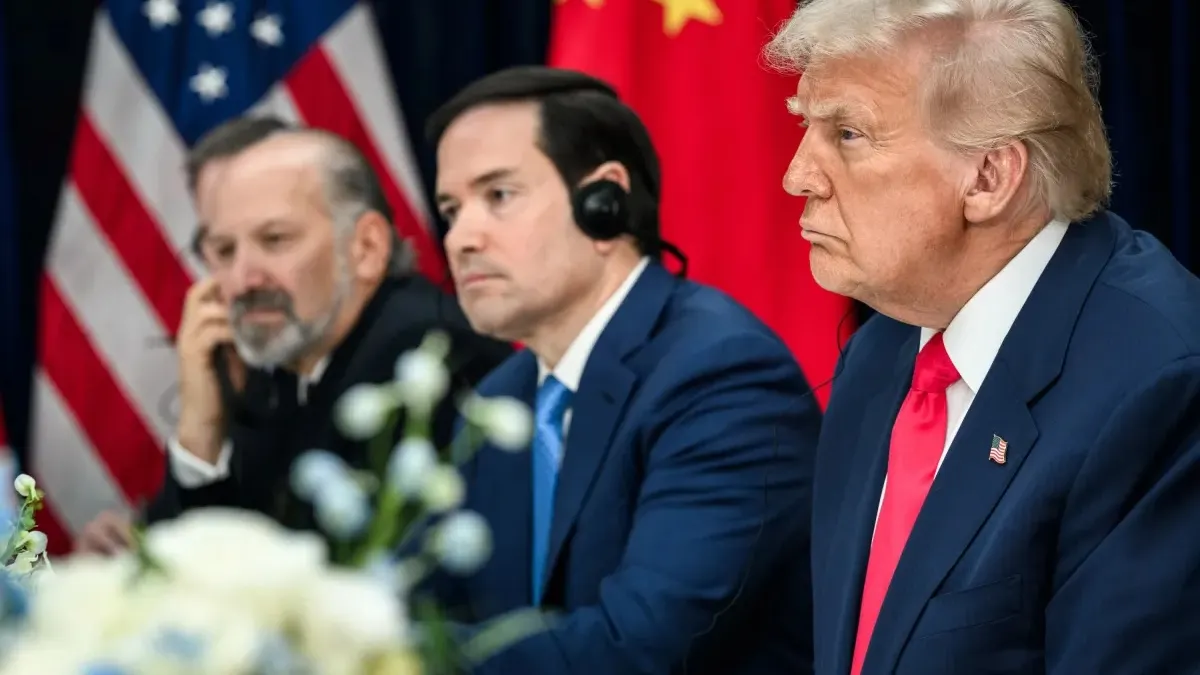
SECRETARY RUBIO: Yeah, no, I think I’ve been nice to China – in terms of the work we have to do with them and – I mean, I had another job. My job now is to – I represent the President of the United States and the United States in foreign diplomacy, and I think we’ve made good progress with the Chinese. The Japanese are a very close ally of the United States. I think these tensions are pre-existing. We understand that’s one of the dynamics that has to be balanced in that region. And I believe that we feel very strongly that we can continue with our strong, firm partnership and alliance with Japan and do so in a way that continues to allow us to find productive ways to work together with Chinese – the Chinese Communist Party and the Chinese Government.
魯比歐: 嗯,不,我覺得我對中國還算客氣——就我們必須與他們合作的事宜而言——我是說,我以前有別的工作,而我現在的職責是——代表美國總統及美國進行外交事務,我認為我們與中國已取得良好進展。日本是美國的親密盟友,我認為這些緊張關係是既有的,我們理解這是該地區必須平衡的動態之一。我堅信我們深切感受到,我們能夠持續與日本保持堅實穩固的夥伴關係與同盟,同時仍能找到富有成效的方式,與中國——中國共產黨和中國政府——共同合作。
Look, there’ll be tensions. There’s no doubt about it. I mean, at the end of the day, China is going to be – is and it will continue to be a rich and powerful country and a factor in geopolitics. We have to have relations with them. We have to deal with them. We have to find the things we are able to work together on. And I think both sides are mature enough to recognize that there will be points of tension now and for the foreseeable future. Our job as we’re part – as part of responsible statecraft is to find opportunities to work together. Because I think if there’s a global challenge that China and the U.S. can work together on, I mean, it’s – I think we can solve it. And there’ll be points of tension. We all recognize that. And our job is to balance these two things. I think both sides understand that.
聽著,緊張局勢在所難免。這點毋庸置疑。 我的意思是,中國終將成為——且現已成為、並將持續成為一個富強國家,這也是地緣政治中的重要因素。我們必須與中國建立關係,必須與諸國打交道,必須找出能夠合作的領域。我認為雙方都足夠成熟,能意識到當下及可預見的未來都將存在摩擦點。 身為負責任的國家,我們的職責在於發掘合作契機。因為我深信,只要存在能由中美共同應對的全球性挑戰,我們便能解決它。當然會存在摩擦,這點眾所皆知。我們的任務在於平衡這兩者,我認為雙方都理解這點。
But in the – and I think we can do that without imperiling or in any way undermining our very firm commitment to our partners in the Indo-Pacific that includes not just Japan but South Korea. And obviously if you extend further out – I don’t want to leave anybody out – but India and Australia and New Zealand and all the other countries. And we also have growing and burgeoning relationships with countries like Vietnam and even Cambodia that we really haven’t had very close contacts with historically. But we’ve talked to them a lot lately, obviously, through the context of the conflict going on with Thailand, but also to figure opportunities to work together strategically. And I say Thailand – of course, we’ve had a very long and strong strategic alliance with them for many years.
在此過程中——我認為我們能做到這點,同時不會危及或以任何方式削弱我們對印太夥伴的堅定承諾,這不僅包括日本、也涵蓋韓國。顯然若將範圍進一步擴展——我不想遺漏任何人——還包括印度、澳洲、紐西蘭及其他所有國家。我們與越南乃至柬埔寨等國家的關係,同樣日益緊密蓬勃發展,這些國家過去與我們並無密切往來,但近期我們頻繁與其對話,既是因應泰國衝突局勢,也是為了探討戰略合作契機。說到泰國——我們與該國多年來確實維持著深厚而長久的戰略同盟關係。